S K Y S A F A R I
Got Questions?

We've Got Answers

Find answers to the most commonly asked questions about travelling to Tanzania, safaris, Kilimanjaro, Zanzibar, and practical travel information.

General Questions

The best time depends on your itinerary. For safaris, the dry season (June–October) offers excellent wildlife viewing. For Kilimanjaro, January–March and June–October are ideal. Zanzibar is warm year-round, with the best beach weather from June–October and December–February. See our Best Time to Visit guide for more details.
Most nationalities require a visa to enter Tanzania. You can apply for an e-Visa online before travel or obtain a visa on arrival at the airport. Some countries (UK, US, Canada, Australia, etc.) are visa-free for up to 90 days. Check our Visa & Entry Requirements page for details.
Yes, Tanzania is generally safe for tourists. The main tourist areas (safari parks, Zanzibar, and major cities) have a good safety record. As with any destination, take standard precautions: keep valuables secure, avoid walking alone at night in cities, and follow your guide's advice. We also recommend comprehensive travel insurance.
The Tanzanian shilling (TZS) is the official currency. US dollars are widely accepted in tourist areas, especially for larger payments (lodges, tours, etc.). It's recommended to have USD cash (small bills) for tips and incidental expenses. Credit cards are accepted at most hotels and lodges, but ATMs may be limited in rural areas.

Safari Questions

Neutral-coloured clothing (khaki, olive, beige), long-sleeved shirts and trousers, a warm fleece for early mornings, comfortable walking shoes, a wide-brimmed hat, sunglasses, sunscreen, insect repellent, binoculars, camera, and a reusable water bottle. See our What to Pack guide for a full checklist.
Yes, Tanzania is one of the best places in Africa to see the Big Five – lion, leopard, elephant, buffalo, and rhino. The Serengeti and Ngorongoro Crater offer excellent chances to spot all five, especially during the dry season.
A minimum of 5–7 days is recommended to experience the highlights of northern Tanzania (Serengeti, Ngorongoro, Tarangire). Longer safaris (10–14 days) allow for more in-depth exploration, including the migration, Lake Manyara, or a beach extension to Zanzibar. We can tailor the duration to your preferences.
Yes, Tanzania is a fantastic family destination. Our family safaris are designed with flexible pacing, child-friendly activities, and comfortable accommodation. Many lodges offer kids' programmes, and guides are experienced in engaging children. Minimum age requirements vary by lodge, but most are family-friendly. See our Family Safari page for more information.

Kilimanjaro Questions

The best route depends on your fitness, time, and preference for scenery and solitude. Machame (6–7 days) is the most popular and scenic. Lemosho (7–8 days) offers excellent acclimatisation and fewer crowds. Marangu (5–6 days) is the only route with hut accommodation. We'll help you choose the right route for you. See our Kilimanjaro Trekking page for details.
A good level of fitness is essential. You should be comfortable hiking for 5–8 hours a day over varied terrain. Training with regular walking, hiking, and cardio exercises in the months before your trek will significantly improve your chances of success. We recommend starting training at least 3–4 months before departure.
Overall success rates vary, but with proper acclimatisation (longer routes), experienced guides, and good fitness, rates can exceed 85%. The choice of route and duration significantly impacts success – longer routes (8+ days) have higher success rates due to better acclimatisation.
Essential gear includes: waterproof hiking boots, thermal base layers, fleece, waterproof jacket, insulated jacket, trekking poles, head torch, sleeping bag (rated to -10°C), and a duffel bag. A detailed packing list is provided upon booking. See our What to Pack guide for the full Kilimanjaro checklist.

Zanzibar Questions

A minimum of 3–5 days is recommended to enjoy the beaches, explore Stone Town, and experience Zanzibar's culture. For a relaxing beach holiday, 5–7 days or more allows you to unwind and explore the island's attractions at a leisurely pace.
Zanzibar is warm year-round. The best beach weather is June–October and December–February. Avoid the long rains (April–May) for beach holidays. The short rains (November and March) are manageable with occasional showers.
Zanzibar offers a wide range of activities: Stone Town walking tours, spice farm visits, dhow sunset cruises, snorkelling, diving, swimming with dolphins, kite surfing, and relaxing on beautiful beaches. You can also explore the island's rich history and Swahili culture.

Travel Logistics

Major international airports include Julius Nyerere International Airport (DAR) in Dar es Salaam and Kilimanjaro International Airport (JRO) near Arusha. Many airlines offer direct and connecting flights from Europe, Asia, the Americas, and other African countries. We can help arrange your domestic connections.
Yes, comprehensive travel insurance is strongly recommended. It should cover medical expenses, trip cancellation, lost luggage, and emergency evacuation – especially important for safaris and Kilimanjaro treks. Please check the policy covers the activities you plan to undertake.
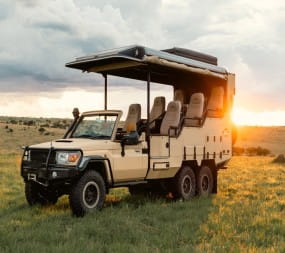
For safaris, we use private 4x4 safari vehicles with pop-up roofs. Domestic flights connect major safari destinations and Zanzibar. Between cities, there are buses, trains, and private transfers. We'll handle all logistics for your safari itinerary.

Health & Safety

Yellow fever vaccination is required if you're travelling from a yellow fever endemic country. Other recommended vaccinations include typhoid, hepatitis A, and tetanus. Consult your doctor or travel clinic at least 4–6 weeks before departure.
Yes, malaria is present in Tanzania, especially in low-lying areas. It's recommended to take antimalarial medication, use insect repellent, wear long sleeves and trousers in the evenings, and sleep under mosquito nets (provided at most lodges). Consult your doctor for the best prevention strategy.
Our guides are trained to recognise altitude sickness symptoms. The most effective treatment is to descend to a lower altitude. We carry emergency oxygen and first-aid equipment. Before the trek, we recommend discussing altitude sickness prevention with your doctor. The best prevention is proper acclimatisation – which is why we recommend longer routes.

Didn't find what you were looking for?

Ask Us Directly
Still Have Questions?

We're Here to Help You Plan

Our Tanzania-based team is ready to answer your questions and help you design the perfect journey. Reach out – we'd love to hear from you.

Follow Sky Safari Tours

Follow the journey for safari moments, Zanzibar sunsets, Kilimanjaro adventures, and travel inspiration from Tanzania.
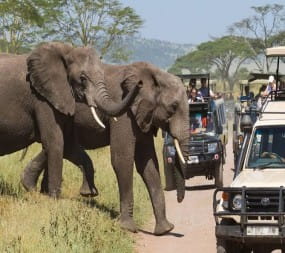

Wildlife encounter
Serengeti landscape
Zanzibar beach
Mount Kilimanjaro
Safari experience
Tanzania sunset