S
K
Y
S
A
F
A
R
I

Tanzania is a welcoming and generally safe destination for travellers. However, as with any international travel, it's important to take sensible precautions and prepare for your journey. This guide covers essential health and safety information to help you travel with confidence.
From recommended vaccinations and malaria prevention to safari safety and travel insurance, we've compiled everything you need to know for a worry-free Tanzania experience.
Consult your doctor or travel clinic at least 4–6 weeks before departure. Recommended vaccinations include yellow fever, typhoid, hepatitis A, and tetanus.
Tanzania is a malaria-risk area. Take antimalarial medication, use insect repellent, wear long sleeves in the evenings, and sleep under mosquito nets.
Pack a basic first aid kit with plasters, antiseptic, painkillers, diarrhoea medication, antihistamines, and any prescription medications you need.
Drink bottled or filtered water only. Avoid tap water and ice in drinks. Stay hydrated, especially during safaris and outdoor activities.
Tanzania has high UV levels. Wear sunscreen (SPF 30+), a wide-brimmed hat, sunglasses, and protective clothing, especially during safaris.
If visiting high-altitude areas (Kilimanjaro, Ngorongoro), acclimatise slowly, stay hydrated, and be aware of altitude sickness symptoms.
Required if travelling from a yellow fever endemic country. The certificate must be valid for entry. Recommended for all travellers.
Recommended for all travellers. Spread through contaminated food and water.
Recommended for all travellers. Spread through contaminated food and water.
Recommended to be up to date. Protect against infections from cuts and wounds.
Recommended for some travellers, especially if visiting remote areas. Discuss with your doctor.
Malaria is present in Tanzania, especially in low-lying areas. Protecting yourself is essential.
Tanzania is generally a safe destination, but it's always wise to take common-sense precautions.
Avoid walking alone at night. Use registered taxis or hotel transport. Keep valuables secure and out of sight.
Be cautious in crowded markets and public places – watch your belongings.
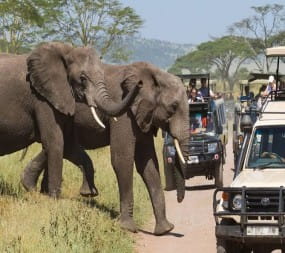
Always follow your guide's instructions. Stay inside the vehicle during game drives.
Don't approach wildlife or attempt to feed animals – they are wild and unpredictable.
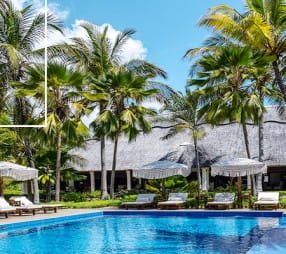
Dress modestly in Stone Town and rural areas (shoulders and knees covered).
Respect local customs and traditions – Zanzibar is a Muslim-majority island.
Safari is one of the safest ways to experience wildlife, but it's important to follow guidelines and respect the animals and their environment.
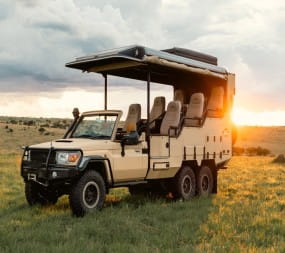
Never leave the safari vehicle during game drives. Animals are wild and unpredictable – the vehicle is your safe space.
Maintain a safe distance from wildlife. Your guide will position the vehicle for the best viewing without disturbing the animals.
Your guide is trained in wildlife behaviour and safety. Always follow their instructions – they're there for your protection.
Speak quietly to avoid disturbing wildlife. Sudden noises can startle animals and affect their natural behaviour.
Avoid using flash when photographing wildlife – it can disturb and disorient animals, especially at dawn and dusk.
Take all rubbish with you. Help preserve the environment by leaving no trace of your visit.
Travel insurance is essential for any trip to Tanzania. It provides peace of mind and financial protection in case of unexpected events – from medical emergencies to trip cancellations.
Ensure your policy covers medical expenses, including emergency evacuation and repatriation – especially important for safaris and Kilimanjaro treks.
Protect your investment with coverage for trip cancellation or interruption due to unforeseen circumstances.
Coverage for lost, stolen, or damaged luggage and equipment, including cameras and trekking gear.
24/7 emergency assistance services – a helpline to support you in case of any urgent situation.
| Topic | Recommendation | Why It Matters |
|---|---|---|
| Yellow Fever | Vaccination certificate required from endemic countries | Required for entry from affected areas |
| Malaria | Antimalarial medication, repellent, nets | Malaria is present in Tanzania |
| Water Safety | Drink bottled or filtered water only | Avoid waterborne illnesses |
| Sun Protection | Sunscreen, hat, sunglasses | High UV levels in Tanzania |
| Safari Safety | Stay in vehicle, follow guide instructions | Wild animals are unpredictable |
| Travel Insurance | Comprehensive coverage with medical evacuation | Peace of mind and financial protection |
If you have any questions about health, safety, or travel insurance, our Tanzania-based team is here to help with personalised advice and support.
Follow the journey for safari moments, Zanzibar sunsets, Kilimanjaro adventures, and travel inspiration from Tanzania.