S
K
Y
S
A
F
A
R
I

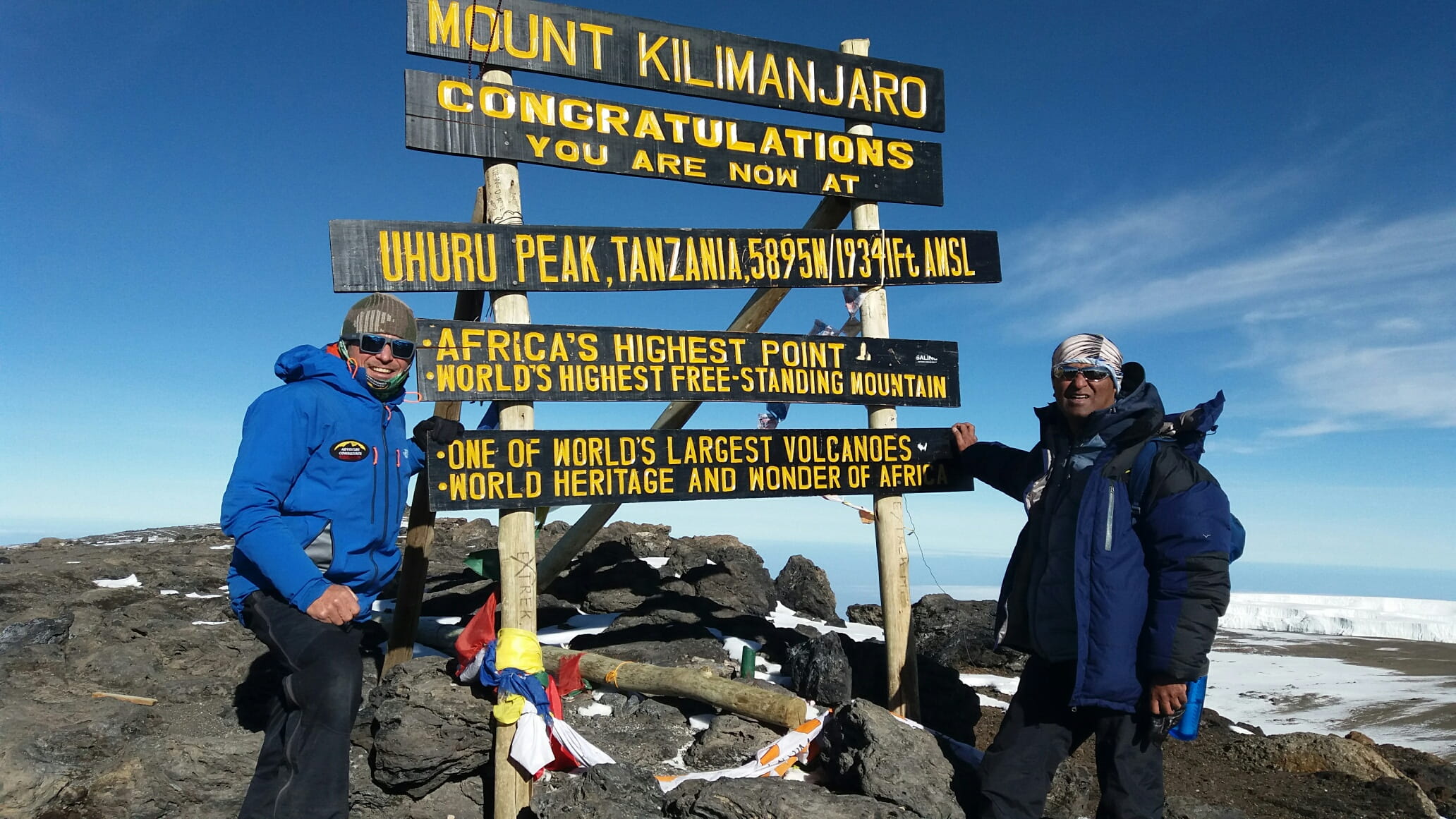
Rising majestically above the Tanzanian plains, Mount Kilimanjaro is the highest peak in Africa at 5,895 metres (19,341 ft). It is the world's tallest freestanding mountain, a dormant volcano with three distinct cones – Kibo, Mawenzi, and Shira.
Climbing Kilimanjaro is a journey through five distinct ecological zones – from lush rainforest to alpine desert and finally the icy summit. With the right preparation and support, reaching Uhuru Peak is a life-changing achievement.
At Sky Safari Tours, we organise Kilimanjaro treks with experienced guides, quality equipment, and careful attention to safety and acclimatisation – giving you the best possible chance to stand on the roof of Africa.
Highest point in Africa
Volcanic cones
Days typical trek
Official routes
Each route offers a unique experience – from gentle scenic trails to challenging steep ascents. The best choice depends on your fitness, time, and desire for solitude.
6–7 days | Popular & scenic
Also known as the "Whiskey Route," this is one of the most popular and scenic routes, offering great acclimatisation and diverse landscapes. It's challenging but very rewarding.
7–8 days | Less crowded
A longer, more remote route that offers fantastic scenery and excellent acclimatisation. It approaches from the west and is generally less crowded than Machame.
5–6 days | "Coca-Cola" route
The only route with hut accommodation. It's often considered the easiest and quickest, but its short duration can make acclimatisation more challenging.
6–7 days | Approach from the north
A remote route approaching from the Kenyan side, offering a unique perspective and fewer crowds. It's drier and less scenic than the western routes but still rewarding.
5–6 days | Challenging & steep
A short, steep, and tough route with a direct ascent. Suitable for experienced trekkers who want a challenge and are confident with their fitness and acclimatisation.
8–9 days | Best acclimatisation
The longest and least crowded route, circling around the northern slopes. It offers exceptional scenery and the best acclimatisation, leading to high summit success rates.
Success on Kilimanjaro requires more than just physical fitness. Proper preparation, equipment, and mindset are essential to reaching the summit safely.
The best times to climb Kilimanjaro are during the dry seasons – January to March and June to October. These months offer clear skies, stable weather, and the highest summit success rates.

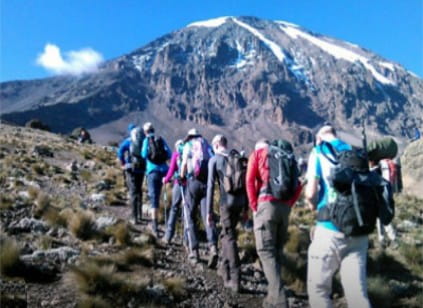
Choose your route and take on Africa's highest peak with experienced guides, quality support, and a carefully planned itinerary.
Tailor-made
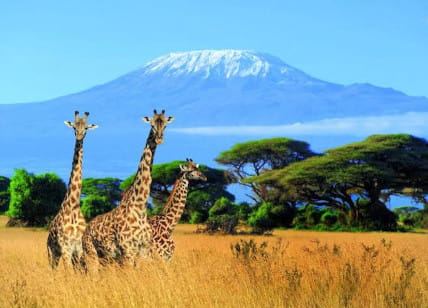
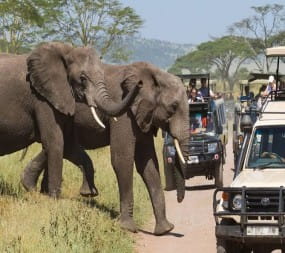
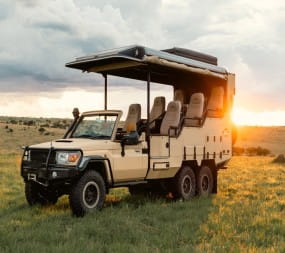
Combine the thrill of a Tanzania safari with the challenge of Kilimanjaro – a perfect balance of adventure and wildlife.
Tailor-made
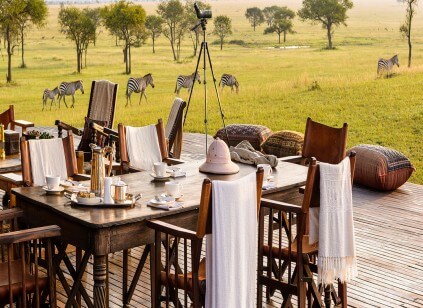
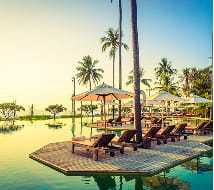
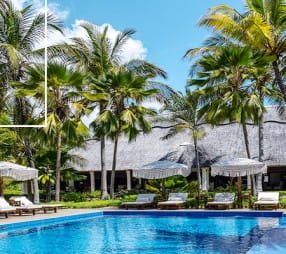
After conquering Kilimanjaro, unwind on the beaches of Zanzibar with premium accommodation and private transfers.
Tailor-made
Tell us about your fitness level, preferred route, and travel dates, and our Kilimanjaro specialists will help you plan a trek designed for success.
Follow the journey for safari moments, Zanzibar sunsets, Kilimanjaro adventures, and travel inspiration from Tanzania.